

How to Choose the Right Makeup Brush Set
Table of Contents
- Understand Your Brush Anatomy: Ferrule, Handle, and Bristles
- Natural vs Synthetic Makeup Brushes: Which Works Best for You
- Essential Makeup Brush Set for Beginners: What You Actually Need
- Match Your Brushes to Your Makeup Formulas
- How to Clean Makeup Brushes Properly and Maintain Your Set
- Sustainability and Hypoallergenic Options for Sensitive Skin
- Choosing the Right Makeup Brush Set for Your Budget and Needs
- Frequently Asked Questions
Last Updated: October 1, 2026
Understand Your Brush Anatomy: Ferrule, Handle, and Bristles
Before you invest in a makeup brush set, you need to understand what you're actually buying. Every brush has three core components: the bristles, the ferrule (the metal band holding them), and the handle. These three parts work together to determine how the brush performs, how long it lasts, and whether it's right for your skin.

The bristles are what touch your face. They determine how product is picked up, blended, and deposited onto your skin. The ferrule is the metal casing that holds the bristles together and keeps them from shedding. The handle is your grip, it affects control, comfort, and how precise your application can be.
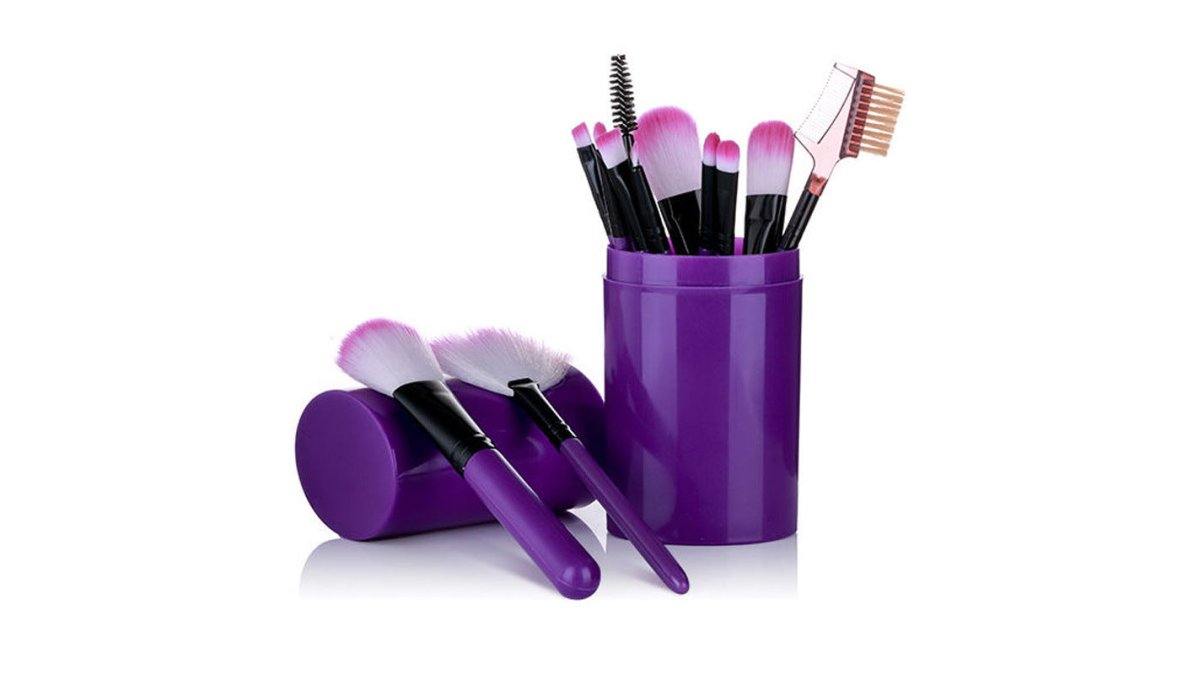
A quality ferrule won't loosen over time, and good bristles maintain their shape through repeated cleaning. The handle should feel balanced in your hand, not too heavy, not too light. When you're testing a brush, hold it like you would during application. If it feels awkward after 30 seconds, it will feel worse after 10 minutes of blending.
The best makeup brush sets invest equally in all three components. You'll notice this in the weight distribution and the finish. Cheap brushes skimp on the ferrule or use flimsy handles that bend under pressure. Professional-grade brushes from brands like Cosmetikly use reinforced ferrules and ergonomic handles.
Natural vs Synthetic Makeup Brushes: Which Works Best for You
The bristle material you choose determines how your brush performs with different makeup formulas. This is where many people get confused, they think one type is universally better. It's not. The right choice depends on what products you use and how you apply them.
Natural Hair Bristles
Natural hair bristles come from animal sources and have a unique structure that makes them excellent for powder products. The scales on natural hair fibers grip powder particles, allowing for better color payoff and blending. When you use a natural hair brush with powder foundation, blush, or bronzer, you get smoother application and more control over intensity.
Natural bristles also have a softer feel against the skin. For people with sensitive skin, this matters. The gentle texture reduces irritation during application. However, natural hair requires more maintenance. These brushes shed more initially, and they're sensitive to water temperature. Washing with hot water can damage the cuticles and cause more shedding over time.
The animal welfare concern is real. If you're committed to cruelty-free products, natural hair brushes present a problem. Many come from goat, horse, or squirrel sources, which raises ethical questions for vegan consumers.
Synthetic Fibers
Synthetic brushes use man-made fibers, typically nylon or taklon. These fibers are durable, shed less, and work better with liquid and cream products. When you apply liquid foundation, concealer, or cream blush with a synthetic brush, the non-porous fibers don't absorb product the way natural hair does. More product reaches your face instead of staying in the brush.
Synthetic brushes are easier to clean and dry faster. They're also more affordable, which matters when you're building your first makeup brush set. The durability is superior, synthetic fibers hold their shape longer and resist damage from water and heat.

The trade-off is texture. Synthetic brushes can feel slightly less soft against the skin, though modern synthetic fibers have improved significantly. High-quality synthetic brushes now feel nearly identical to natural hair while maintaining all the performance advantages.
Essential Makeup Brush Set for Beginners: What You Actually Need
Most beginner brush sets include too many brushes you'll never use. You don't need 20 brushes. You need 8-12 that cover the actual steps of your routine.
A functional makeup brush set for beginners should include: one foundation brush, one powder brush, one blush brush, one contour brush, one eyeshadow shader, one blending brush, and one brow brush. That's seven brushes. Everything else is luxury.
The Cosmetikly 12-Piece Makeup Brush Set and Beauty Tools ($39.00) gives you exactly this foundation plus a few extras. It's made from high-quality fiber. The brushes are soft and gentle on skin, and the set comes in multiple colors so you can match your aesthetic. Maintaining these brushes in pristine condition becomes much simpler once you establish a dedicated system to organize beauty tools.
Face Brushes vs Eye Brushes
Face brushes are larger and designed to cover broad areas. A foundation brush applies base product evenly across your entire face. A powder brush sets makeup with a light hand. These brushes have dense, fluffy bristles that hold product without depositing too much at once.
12-Piece Makeup Brush Set and Beauty Tools →
Eye brushes are smaller and more precise. They have tapered or flat shapes designed to fit the eye area and control where product goes. A shader brush picks up color and applies it to the lid. A blending brush softens edges and creates gradients. These brushes require more control than face brushes, so handle ergonomics matter more.
The mistake beginners make is using face brushes for eyes. A foundation brush is too large for the eyelid, you can't control placement. You end up with product everywhere. Invest in dedicated eye brushes. They're cheaper than you think, and they make blending actually possible.
Brush Shapes and Their Purposes
Brush shape determines function. A flat-top kabuki brush has dense, compact bristles perfect for buffing foundation into skin. An angled brush reaches the contours of your face, cheekbones, jawline, temples. A fluffy blending brush has tapered bristles that diffuse color softly. A tapered shader brush concentrates product for precise eyeshadow application.
When you're choosing a makeup brush set, look at the shapes included. If every brush is round and fluffy, you're missing the angular precision tools that make contouring possible. If the set includes multiple angled brushes but no fluffy blending brush, eyeshadow application will be harder.
The best sets balance shape variety. You need at least one angular tool, one fluffy tool, and one dense tool. Everything else builds on that foundation.
Match Your Brushes to Your Makeup Formulas
Your brush choice should match how you apply makeup. If you use liquid foundation, you need a synthetic brush that doesn't absorb product. If you use powder, a natural hair brush or quality synthetic works equally well, but natural hair offers better control.
Cream products require synthetic brushes. The non-porous fibers prevent absorption, so more product reaches your skin. Powder products work with both synthetic and natural, though natural hair has a slight advantage in grip and blending.
Concealer is cream-based, so synthetic is better.
How to Clean Makeup Brushes Properly and Maintain Your Set
Dirty brushes breed bacteria and degrade your makeup application. A brush clogged with old product won't pick up new product evenly. Cleaning is non-negotiable if you want your brushes to last.
Sustainability and Hypoallergenic Options for Sensitive Skin
If you have sensitive skin, brush material matters more than most people realize. Natural hair can harbor bacteria and allergens. Synthetic brushes are easier to sanitize and less likely to cause irritation.
Choosing the Right Makeup Brush Set for Your Budget and Needs
Your budget determines your options, but it doesn't have to limit quality. Entry-level brush sets from Cosmetikly start at $38-$39. These sets include 10-12 brushes.
| Budget Level | Best Option | Key Features | Price |
|---|---|---|---|
| Under $50 | Cosmetikly 12-Piece Set | Synthetic fiber, 12 brushes, multiple colors | $39.00 |
| Under $50 | Cosmetikly 10-Piece Set | Synthetic fiber, face & eye brushes, pink/rose red | $38.00 |
| $45-$50 | Cosmetikly 10-Piece Shell Makeup Brush Set - Beauty Tools | Nylon bristles, portable, lightweight | $45.00 |
| $45-$50 | Cosmetikly 11-Piece Yellow Makeup Brush Set and Beauty Tools | Synthetic fiber, wooden handles, 20cm length | $49.00 |
Frequently Asked Questions
How do I know what makeup brush to use for different products?
Different products require different brush shapes and bristle densities. Use fluffy blending brushes for powder and eyeshadow blending, flat-top or kabuki brushes for foundation application, angled brushes for contouring, and tapered brushes for precise eyeshadow placement. The key is matching the brush density and shape to how the product applies, dense brushes work best for cream products, while fluffier brushes suit powder formulas. An essential makeup brush set for beginners typically includes foundation, blush, eyeshadow, and blending brushes to cover most applications.
What's the difference between natural and synthetic makeup brushes?
Natural hair bristles, typically from animal sources, hold more product and create softer blending, making them ideal for powder application and blending. Synthetic fibers are hypoallergenic, cruelty-free, and work better with liquid and cream formulas because they don't absorb product as much. Synthetic brushes are also easier to clean and more durable for daily use. For sensitive skin or vegan preferences, synthetic options are your best choice. Many professionals use both types depending on the formula they're applying.
How often should I replace my makeup brush set?
Replace individual brushes when bristles shed excessively, lose their shape, or feel scratchy against your skin. Regular cleaning extends brush life significantly, wash brushes weekly or every two weeks depending on use. Signs it's time to replace: bristles that don't bounce back, ferrule damage, or bristles that fall out during application.
Do expensive makeup brushes really make a difference?
Quality brushes improve application precision, blending, and product absorption, but price doesn't always guarantee performance. Professional-grade brushes offer better bristle density, ergonomic handles, and durability, which justify the investment if you use makeup daily. The real difference comes from bristle quality, brush shape variety, and handle comfort rather than brand name alone. Beginners see noticeable improvement upgrading from very cheap sets, but diminishing returns apply at higher price points.