

How to Hydrate Mature Skin Daily: 7 Steps That Work
Table of Contents
- What You'll Need: Your Daily Hydration Toolkit
- Signs of Dehydrated Mature Skin (and How They Differ From Dryness)
- Step 1: Wash With a Gentle Cleanser and Lukewarm Water
- Step 2: Apply Hydrating Serums to Damp Skin
- How to Layer Skincare Products for Maximum Hydration
- Step 3: Seal Everything In With a Barrier-Repair Moisturizer
- Best Ingredients for Mature Skin Hydration
- Step 4: Protect Your Progress With Daily SPF
- Lifestyle Habits That Support Hydration From Within
- Budget-Friendly vs. Clinical-Grade Routines
- Frequently Asked Questions
Last Updated: September 17, 2026
What You'll Need: Your Daily Hydration Toolkit
To hydrate mature skin daily, start with the right products, not more products. You need four things: a gentle cleanser, a hydrating serum, a barrier-repair moisturizer, and a broad-spectrum sunscreen.
Here's your simple toolkit:
- Gentle cleanser with a low pH and no fragrance
- Hydrating serum built on hyaluronic acid or peptides
- Barrier-repair moisturizer with ceramides
- Broad-spectrum sunscreen at SPF 30 or higher
- Optional: a humidifier for dry rooms
That's it. Everything below explains how to use each one, in order, without wasting a step.

Signs of Dehydrated Mature Skin (and How They Differ From Dryness)
Dehydrated skin lacks water. Dry skin lacks oil. That distinction changes everything about how you treat it.
Mature skin often shows both at once. Oil production drops with age, so the lipid barrier thins. At the same time, the skin's ability to hold water falls. The result is tightness, dullness, and fine lines that look deeper than they are.
Quick Self-Check: 5 Signs Your Barrier Needs Help
- Skin feels tight within minutes of washing
- Fine lines look worse in the afternoon than the morning
- Makeup settles into creases by midday
- Skin looks dull even after exfoliating
- You notice flaking patches that feel rough, not oily
Two or more checks usually means your barrier needs support. The good news: most of it responds to routine, not pricey treatments.
Step 1: Wash With a Gentle Cleanser and Lukewarm Water
Hot water strips the lipid barrier and speeds up transepidermal water loss. Lukewarm water cleans just as well without that cost.
A common mistake is using a foaming cleanser that leaves skin squeaky. That feeling is damage, not cleanliness. Switch to a fragrance-free, non-comedogenic formula and keep contact time under 30 seconds.
How to wash mature skin gently:
- Wet your face with lukewarm water
- Apply cleanser with fingertips, no washcloth
- Massage for 20-30 seconds
- Rinse and pat dry, leaving skin slightly damp
That last step matters. Damp skin absorbs the next layer far better than dry skin.
Step 2: Apply Hydrating Serums to Damp Skin
Serums go on within 60 seconds of washing, while skin is still damp. This locks in surface water before it evaporates.
Look for humectants first. Hyaluronic acid pulls water into the upper layers. Peptides support collagen production over time. Vitamin C adds antioxidant protection against daily UV and pollution.

The Cosmetikly Radiant Youth Trio Serums combine vitamin C, retinol, and hyaluronic acid in one set.
How to Layer Skincare Products for Maximum Hydration
Order matters more than product count. Thin, water-based formulas go first. Thick, oil-based formulas go last. But for mature skin, the reason order matters is biological, not cosmetic.
As oil production declines with age, the lipid barrier thins.
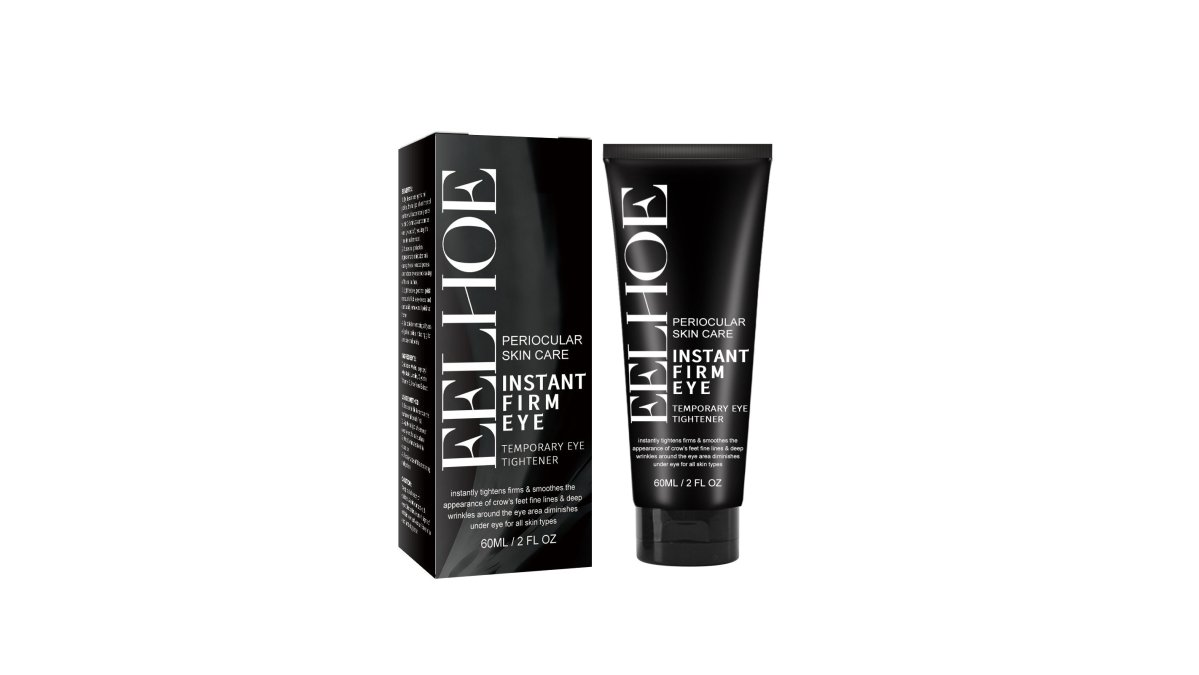
RevitaLift Eye Cream: Firming & →
The Menopausal Shift Most Guides Skip
Estrogen supports sebum production, skin thickness, and the barrier's ability to hold water (pubmed.ncbi.nlm.nih.gov). When estrogen declines during perimenopause and after menopause, sebum output drops and the barrier repairs itself more slowly. The result is skin that loses water faster and reacts to irritants more easily than it did a decade earlier. This is why a routine that worked at 40 can feel inadequate at 55, the skin underneath it changed.
Humectants First, Occlusives Last: The Order That Matters
- Humectants (hyaluronic acid, glycerin) draw water from the air and the deeper skin layers into the upper layers. Apply to damp skin so they have water to pull.
- Emollients (ceramides, fatty acids, cholesterol) soften skin and fill the gaps between cells, restoring the mortar of the barrier.
- Occlusives (squalane, shea butter, petrolatum) sit on top and slow water loss by forming a seal.
Get this order wrong and you trap nothing. A humectant applied under another humectant just evaporates. An occlusive applied first blocks everything after it. And a humectant applied to bone-dry skin in a low-humidity room can pull water out of the skin instead of in, which is why damp application and a follow-up seal are non-negotiable.
Give Each Layer Time to Absorb
The rule most guides skip: wait 30 to 60 seconds between layers. Stacking too fast dilutes everything and pushes product around instead of letting it settle. If your serum still feels wet when you apply moisturizer, you are mixing two formulas rather than layering them.
Step 3: Seal Everything In With a Barrier-Repair Moisturizer
Moisturizer is the step that holds the whole routine together. Apply it while the serum is still tacky, not fully dry.
Best Ingredients for Mature Skin Hydration
The best ingredients for mature skin hydration rebuild the barrier and hold water in place. You don't need ten of them. You need the right four or five, used at the right step in the routine.
The Barrier Ingredients
- Ceramides: the mortar of the skin barrier. Mature skin produces fewer of them, so topical ceramides replace what age has depleted. Look for them paired with cholesterol and fatty acids, the three work together, and a formula with only ceramides does less than one with all three.
- Glycerin: a workhorse humectant that pulls water into the upper layers. It is inexpensive, well-tolerated, and effective.
- Hyaluronic acid: holds many times its weight in water, but its benefit depends on how it is formulated. High-molecular-weight versions sit on the surface and plump; low-molecular-weight versions penetrate deeper. A formula with multiple molecular weights covers more layers than a single-weight serum.
The Actives That Support Structure
- Peptides: short chains of amino acids that signal skin to produce more collagen. They support elasticity over time rather than delivering immediate hydration, so treat them as a long-game ingredient.
- Retinol: boosts cell renewal and thickens the skin over months of use. It is also drying, which is why mature skin should start at a low concentration two or three nights a week and build up. Applying it over a ceramide moisturizer, the "retinol sandwich", reduces irritation without canceling the benefit.
- Vitamin C: an antioxidant that defends against daily UV and pollution damage. It also supports collagen production. Use it in the morning under sunscreen.
What to Skip
Fragrance, essential oils, and denatured alcohol are common in anti-aging formulas but are frequent irritants for a thin mature barrier. A fragrance-free label matters more than a long ingredient list.
A Note on Medications
Many adults take prescription medications, diuretics, antihistamines, and some blood pressure drugs among them, that reduce oil production or fluid balance and cause systemic dryness. If your skin became noticeably drier after starting a new prescription, that timing is worth mentioning to your doctor or dermatologist. No topical routine fully offsets a medication's systemic effect, but a richer occlusive layer at night can help.
American Academy of Dermatology skincare guidance
Step 4: Protect Your Progress With Daily SPF
Sunscreen is non-negotiable. UV exposure breaks down collagen and thins the barrier, undoing every step above.
Lifestyle Habits That Support Hydration From Within
Topicals only do so much. What you do off the bathroom counter matters too.
- Drink water consistently through the day
- Run a humidifier in dry rooms, especially in winter
- Limit alcohol and caffeine, which pull water from skin
- Sleep seven to nine hours for overnight cell renewal
- Eat omega-3 rich foods to support the lipid barrier
Budget-Friendly vs. Clinical-Grade Routines
You don't need a luxury shelf to hydrate mature skin. A drugstore gentle cleanser, a basic hyaluronic serum, and a ceramide moisturizer cover most needs.
Frequently Asked Questions
What is the best moisturizer for mature skin over 70?
Look for a moisturizer built on ceramides, glycerin, and hyaluronic acid, which pull water into the skin and help repair the lipid barrier. Creams that also contain peptides or retinol support collagen production and skin elasticity over time. Thicker formulas generally work better for mature skin because they slow transepidermal water loss. Apply to slightly damp skin right after cleansing, and reapply to dry patches mid-day if needed.
How do you rejuvenate 70-year-old skin?
Start with gentle cleansing and consistent hydration, because a damaged skin barrier makes every other step less effective. Add a vitamin C serum in the morning for antioxidants and a retinol serum at night to support cell renewal and collagen production. Use a hyaluronic acid serum under a ceramide-rich moisturizer, wear SPF every day, and consider a weekly hydrogel mask. Results build over weeks, not days, so consistency matters more than product count.
What is the 1 vitamin you need after 60 for crepey skin?
Vitamin C is the most useful single vitamin for crepey, thinning skin. It supports collagen production, defends against free radical damage, and helps brighten uneven tone. A fast-absorbing vitamin C serum used each morning under sunscreen gives you antioxidant protection while you go about your day. Pair it with retinol at night and a ceramide moisturizer to address texture and moisture retention at the same time.
Does drinking more water actually hydrate mature skin?
Drinking water supports overall health, but it does not directly fix a compromised skin barrier. Most visible dehydration in mature skin comes from transepidermal water loss, not from low fluid intake. The faster fix is topical: apply humectants like hyaluronic acid to damp skin, then seal them with an occlusive or emollient moisturizer. Staying hydrated internally still helps, especially alongside a humidifier and a barrier-focused routine.