

How to Prep Skin Before Applying Makeup
Table of Contents
- Why Skin Prep Matters for Makeup Longevity
- Step 1: Cleanse Your Skin Properly
- Step 2: Balance Hydration vs. Moisturization
- How Long to Wait Between Moisturizer and Foundation
- Step 3: Apply Broad-Spectrum SPF and Let Products Settle
- How to Prevent Makeup Pilling and Ensure Flawless Application
- Essential Makeup Tools for Skin Prep
- Skin Prep for Different Skin Types
- Frequently Asked Questions
Last Updated: September 30, 2026
Why Skin Prep Matters for Makeup Longevity
How to prep skin before applying makeup is the foundation of every flawless look. Without proper skin preparation, even the best foundation and concealer will separate, settle into fine lines, and fade by midday. The difference between makeup that lasts eight hours and makeup that lasts two comes down to what happens in the first five minutes of your routine.
Your skin's natural oils, dead skin cells, and environmental debris create an uneven surface. Foundation adheres poorly to this texture, leading to patchy coverage and visible pilling. When you take time to prep your skin properly, you're creating a smooth canvas that allows makeup to grip evenly and stay put throughout the day.
This guide walks you through each step of how to prep skin before applying makeup so your coverage stays flawless from morning through evening.
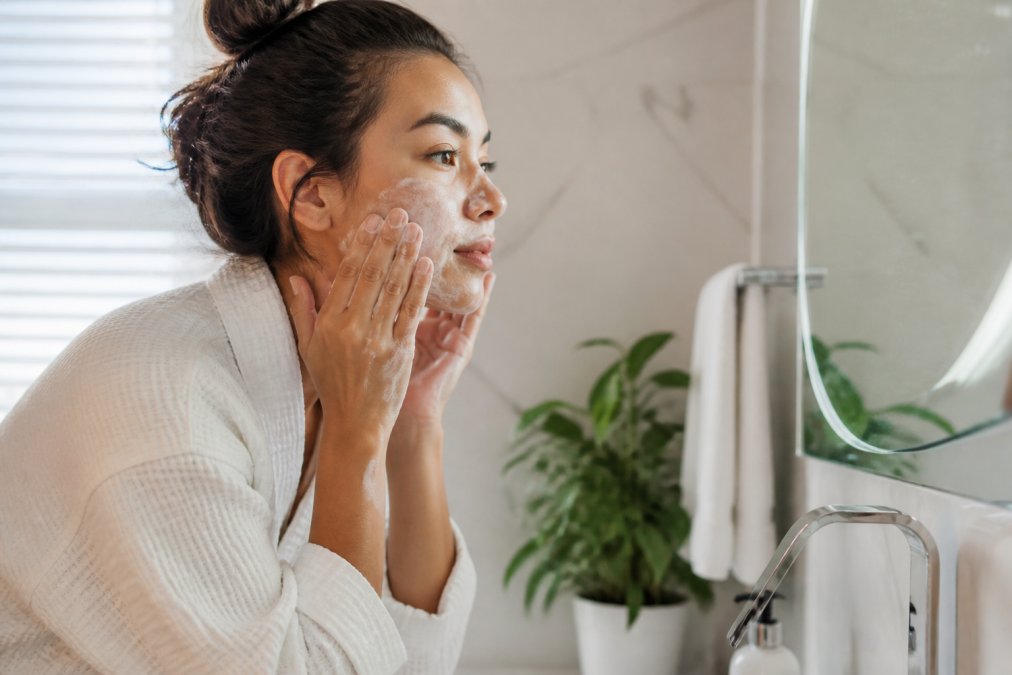
Step 1: Cleanse Your Skin Properly
The foundation of skin prep is a thorough cleanse. Your skin accumulates oil, sweat, pollution, and dead skin cells overnight. Trying to apply makeup over this buildup is like painting over a dirty wall, the paint won't adhere evenly, and the result looks uneven.
Use a cleanser appropriate for your skin type. A gel cleanser works well for oily skin, while a cleansing balm suits dry skin better. The goal is to remove debris without stripping your skin's natural moisture barrier. Massage the cleanser gently across your face for about 30 seconds, paying attention to your T-zone where oil tends to accumulate.
Rinse thoroughly with lukewarm water. Hot water can irritate your skin and trigger excess oil production, which undermines your entire prep routine. Pat your skin dry gently with a clean towel, don't rub, as this can cause irritation and inflammation that shows through makeup.
Step 2: Balance Hydration vs. Moisturization
This is where many people stumble. Hydration and moisturization are not the same thing, and your skin needs both.
Hydration means delivering water to your skin cells. A hydrating serum or toner containing humectants like hyaluronic acid draws moisture into your skin. Moisturization means sealing that water in with emollients and occlusives. A moisturizer with ceramides and glycerin locks hydration in place and strengthens your skin barrier.

Start with a hydrating product if your skin feels dry or dehydrated. Apply it to damp skin, this is key. Damp skin absorbs hydrating products far more effectively than completely dry skin. Use a hydrating serum or essence, pressing it gently into your skin with your fingertips rather than rubbing.
Next, apply your moisturizer. Choose one suited to your skin type. For dry skin, a richer cream works best. For oily skin, a lightweight gel or water-based moisturizer prevents that heavy, greasy feeling that makes makeup slip off. The moisturizer should feel comfortable on your skin, not tacky or heavy.
How Long to Wait Between Moisturizer and Foundation
This timing question comes up constantly, and the answer depends on your skin type and the products you're using.
For most people, waiting two to three minutes after applying moisturizer before moving to the next step is ideal. This gives the moisturizer time to absorb and your skin to feel less tacky. If you apply foundation while your moisturizer is still wet, the foundation will slide around and won't adhere properly.
If your skin feels very oily or your moisturizer feels heavy, wait a full five minutes. If your skin is very dry and you're using a lightweight moisturizer, two minutes is usually enough. The key is that your skin should feel dry to the touch before you apply primer or foundation.
A common mistake is applying moisturizer and then immediately reaching for primer. This creates layers of product that haven't had time to mesh together, which often leads to pilling and separation. Patience here pays off in longevity.
Step 3: Apply Broad-Spectrum SPF and Let Products Settle
Sun protection is non-negotiable in any skincare routine, and it's especially important before makeup because UV exposure accelerates skin aging and can worsen hyperpigmentation and dark spots (the American Academy of Dermatology).
Apply a broad-spectrum SPF 30 or higher. A mineral sunscreen works well under makeup because it tends to sit on top of the skin rather than sinking in, creating a stable base for foundation. Chemical sunscreens absorb into the skin, which can sometimes cause foundation to separate later in the day. Choose whichever type feels more comfortable on your skin, but apply it evenly across your entire face and neck.
Wait two to three minutes after sunscreen application before applying primer or foundation. This is the most overlooked step in how to prep skin before applying makeup, yet it's critical. Sunscreen needs time to set and create a protective barrier. If you apply foundation immediately, you risk disrupting that barrier and also creating a slippery base that causes makeup to slide.
During this waiting period, you can apply eye cream or lip balm. This multitasking approach saves time while still allowing your skincare to settle properly.

How to Prevent Makeup Pilling and Ensure Flawless Application
Makeup pilling, those small, rolled-up balls of product that appear on your skin, happens when too many incompatible products layer on top of each other. It's usually a sign that either your skin prep included too many products, or the products you chose don't work well together.
The first rule is less is more. You don't need a serum, essence, toner, and moisturizer all at once. Choose two or three key products that address your skin's actual needs. If your skin is dehydrated, prioritize a hydrating serum and a good moisturizer. If it's oily, skip the heavier serums and go straight to a lightweight moisturizer.
The second rule is ingredient compatibility. Silicone-based primers work best over water-based moisturizers. If you use an oil-based moisturizer and then apply a silicone-based primer, you're mixing incompatible bases, which causes pilling. Read your product labels and match your bases, water with water, silicone with silicone.
Allow each layer adequate time to set. Don't rush through your routine. The difference between applying moisturizer and waiting two minutes versus applying it and immediately reaching for primer is the difference between makeup that lasts all day and makeup that breaks down by lunch.
Use a light hand when applying primer. A thin, even layer works far better than a thick one. Thick layers of primer are a common culprit behind pilling. Blend it with your fingertips or a damp beauty sponge to ensure even coverage without excess product.
| Step | Product Type | Wait Time | Purpose |
|---|---|---|---|
| 1 | Cleanser | 30 seconds | Remove debris and oil |
| 2 | Hydrating serum | 1-2 minutes | Deliver water to skin |
| 3 | Moisturizer | 2-3 minutes | Seal in hydration |
| 4 | Sunscreen | 2-3 minutes | Protect from UV damage |
| 5 | Primer | N/A | Create stable base for makeup |
Essential Makeup Tools for Skin Prep
While products matter, the tools you use to apply them matter equally. The right tools ensure even product distribution and prevent unnecessary tugging or irritation that can compromise your skin barrier.
A beauty sponge is essential. A damp sponge helps blend moisturizer, sunscreen, and primer seamlessly into your skin. The slight dampness allows products to spread further and blend more evenly than your fingers alone. Dampen your sponge with water before use, then squeeze out excess liquid so it's damp but not dripping.
A facial brush or buffing brush helps apply moisturizer and sunscreen evenly.
Skin Prep for Different Skin Types
Your skin type determines which products work best and how long you should wait between steps. A routine that works for oily skin will leave dry skin feeling tight and uncomfortable, and vice versa.
Dry Skin Prep
Dry skin needs extra hydration and moisture. Your barrier is likely compromised, so your prep routine should focus on restoring hydration and strengthening your skin's ability to retain it.
Oily and Combination Skin Prep
Oily skin needs a different approach. Your goal is to control sebum without over-drying, which can actually trigger more oil production.
Frequently Asked Questions
What should I use to prep my skin before makeup?
Start with a gentle cleanser to remove impurities, then apply a hydrating toner or essence. Follow with a ceramide-based moisturizer suited to your skin type, allow it to absorb, then apply broad-spectrum SPF 30. Once products have settled, apply a silicone-based or water-based primer to create a smooth base. This layering approach ensures proper product absorption and helps makeup adhere longer without pilling.
How long should you wait between skincare and makeup?
Wait 2-5 minutes after applying moisturizer before moving to SPF, and another 2-3 minutes after SPF before applying primer. This allows each product to absorb into your skin barrier and prevents a tacky finish. If you're using serums or treatments, add an extra minute between each step. Rushing this process can trap moisture and cause makeup to slip or pill throughout the day.
How can I prevent makeup pilling on my face?
Pilling occurs when products don't blend properly or when you apply too many incompatible layers. Use a lightweight primer suited to your skin type, apply moisturizer in thin layers, and let each product fully absorb before the next. Avoid mixing silicone-based and water-based products, and use a damp beauty sponge to press makeup into skin rather than dragging it. The PoreHalo Stick can help refine pores and create a smoother canvas to reduce pilling.
Does skin prep really make makeup look better?
Yes. Proper skin prep creates a smooth, hydrated base that improves foundation application and extends makeup wear. A clean skin barrier, balanced hydration, and SPF protection help foundation sit evenly without settling into fine lines or patchy areas. Primer fills pores and creates texture refinement, resulting in flawless foundation application that lasts longer and looks more professional throughout the day.