

Dermatologist Approved Skincare for Congestion
Table of Contents
- What Causes Congested Skin and Why Dermatologist Approved Skincare Matters
- Signs of Congested Skin You Shouldn't Ignore
- Best Ingredients for Clogged Pores That Actually Work
- How to Improve Skin Texture Naturally Alongside Clinical Products
- Building a Dermatologist Approved Skincare Routine for Congestion
- Protecting Your Skin Barrier While Treating Congestion
- When to See a Dermatologist for Persistent Congestion
- Conclusion
Last Updated: August 22, 2026
What Causes Congested Skin and Why Dermatologist Approved Skincare Matters
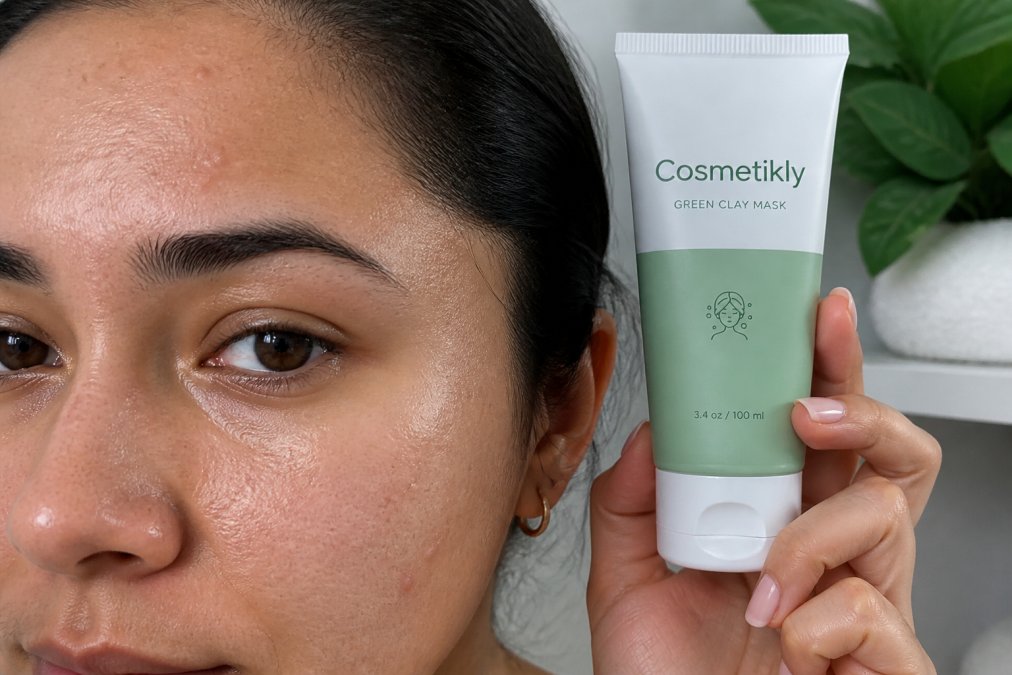
Congested skin develops when dead skin cells, sebum, and environmental debris accumulate within pores, creating a breeding ground for bacteria and inflammation. Excess sebum production, irregular skin turnover, and environmental factors like pollution and humidity accelerate congestion. Hormonal fluctuations, particularly during menstrual cycles, intensify oil production in susceptible individuals. Understanding your specific trigger allows you to select dermatologist approved skincare for congestion that actually works. What sets professional-grade solutions apart is their ability to address multiple mechanisms simultaneously, targeting sebum regulation, accelerating cell turnover, and maintaining barrier integrity.

Signs of Congested Skin You Shouldn't Ignore
Congested skin displays visible pore enlargement, particularly across the T-zone (forehead, nose, chin), along with blackheads and whiteheads. Your skin texture becomes noticeably uneven with a bumpy or granular feel even after cleansing. Unlike acne, congested skin lacks inflamed papules or pustules. Instead, you'll notice a dull, lackluster complexion with persistent oiliness despite frequent washing, and sensitivity that suggests your moisture barrier is compromised.
Pay attention to timing patterns. Congestion that worsens after heavy moisturizers suggests pore suffocation. Congestion appearing cyclically points toward hormonal triggers. Congestion concentrated in the T-zone indicates localized sebum overproduction.
Best Ingredients for Clogged Pores That Actually Work
Effective dermatologist approved skincare for congestion relies on active ingredients that penetrate pore blockages and normalize skin turnover: hydroxy acids, retinoids, and complementary actives that reduce inflammation and regulate sebum.
Salicylic Acid and Beta Hydroxy Acids
Salicylic acid is the gold standard for congestion because it's lipophilic, it dissolves in oil and penetrates sebum-filled pores where water-soluble ingredients cannot reach. Beta hydroxy acids (BHAs) work by breaking down bonds between dead skin cells, allowing them to slough away rather than accumulating inside pores.
Typical concentrations in effective products range from 0.5% to 2%. Lower concentrations work for sensitive skin; higher concentrations deliver faster results but require careful monitoring. Use BHA products once or twice weekly; daily use often triggers irritation and barrier damage without improving results. Daily SPF becomes non-negotiable when using salicylic acid, as sun exposure compounds the exfoliating effect and accelerates barrier damage.
Retinoids and Cell Turnover
Retinoids (vitamin A derivatives) increase cell turnover by accelerating skin renewal at the cellular level, preventing dead cell accumulation inside pores. They also normalize sebum production and reduce inflammation. Retinoid strength varies dramatically, over-the-counter retinol is gentler than prescription retinoids like tretinoin, while retinaldehyde and retinol esters offer a middle ground.
Retinoids typically require 8-12 weeks of consistent use before visible improvement appears. Patience is essential. Additionally, retinoids increase photosensitivity significantly. SPF 30 minimum is mandatory; SPF 50 is preferable when using any retinoid product.
Alpha Hydroxy Acids and Mandelic Acid
Alpha hydroxy acids (AHAs) are water-soluble exfoliants that work on the skin surface, making them gentler than BHAs but less effective for deep pore congestion. Mandelic acid, derived from almonds with a larger molecular size than glycolic or lactic acid, penetrates more slowly, causing less irritation while still providing meaningful exfoliation. Concentration typically ranges from 5% to 10%. For true pore congestion, BHAs are superior, but if congestion stems from dead skin accumulation rather than sebum blockage, mandelic acid may be sufficient and cause less irritation.
How to Improve Skin Texture Naturally Alongside Clinical Products
Dermatologist approved skincare for congestion achieves optimal results when combined with lifestyle adjustments. High-glycemic foods and dairy products increase insulin-like growth factor (IGF-1), which stimulates sebaceous glands. Reducing refined carbohydrates and evaluating dairy intake often produces visible improvements within 4-6 weeks.
Water intake directly affects skin hydration and toxin clearance. Drinking 8-10 glasses of water daily supports skin barrier function and reduces compensatory oiliness. Sleep quality influences cortisol levels and inflammatory response; poor sleep increases cortisol, which triggers sebum overproduction. Aim for 7-9 hours nightly. Stress management directly impacts skin congestion through elevated cortisol and inflammatory cytokines. Meditation, exercise, or any stress-reduction practice produces measurable improvements.
Pillowcase cleanliness matters. Your pillowcase accumulates dead skin cells, bacteria, and product residue. Washing pillowcases twice weekly reduces bacterial transfer to your face.
Building a Dermatologist Approved Skincare Routine for Congestion
A functional dermatologist approved skincare for congestion routine follows a specific sequence that maximizes active ingredient efficacy while protecting your barrier.
Cleansing and Exfoliation
Start with a gentle cleanser that removes makeup, sunscreen, and environmental debris without stripping your skin. Cream cleansers or micellar water work well for congestion-prone skin. Avoid sulfate-based cleansers, which disrupt your skin's pH and lipid barrier.
For congestion specifically, Cosmetikly's IFAST Blackhead Removal Deep Cleansing Serum provides targeted cleansing that addresses pore blockage without harsh scrubbing. Apply to dry skin, massage gently for 60 seconds, then rinse with lukewarm water. Use 3-4 times weekly, not daily.

Exfoliation frequency depends on your skin sensitivity and the exfoliant type. If using salicylic acid or other BHAs, limit to twice weekly initially. If your skin tolerates it well after 4 weeks, you can increase to three times weekly. Never exceed three times weekly for BHA products. Chemical exfoliation via hydroxy acids is superior to physical exfoliation because it dissolves debris rather than creating trauma.
Treatment and Barrier Repair
After cleansing and exfoliation, apply your active treatment. If using a retinoid, apply to completely dry skin (wait 20 minutes after cleansing). If using a BHA or AHA, you can apply to damp skin. Allow 15-20 minutes for the active to work before proceeding.
Explore our premium makeup tools and accessories →
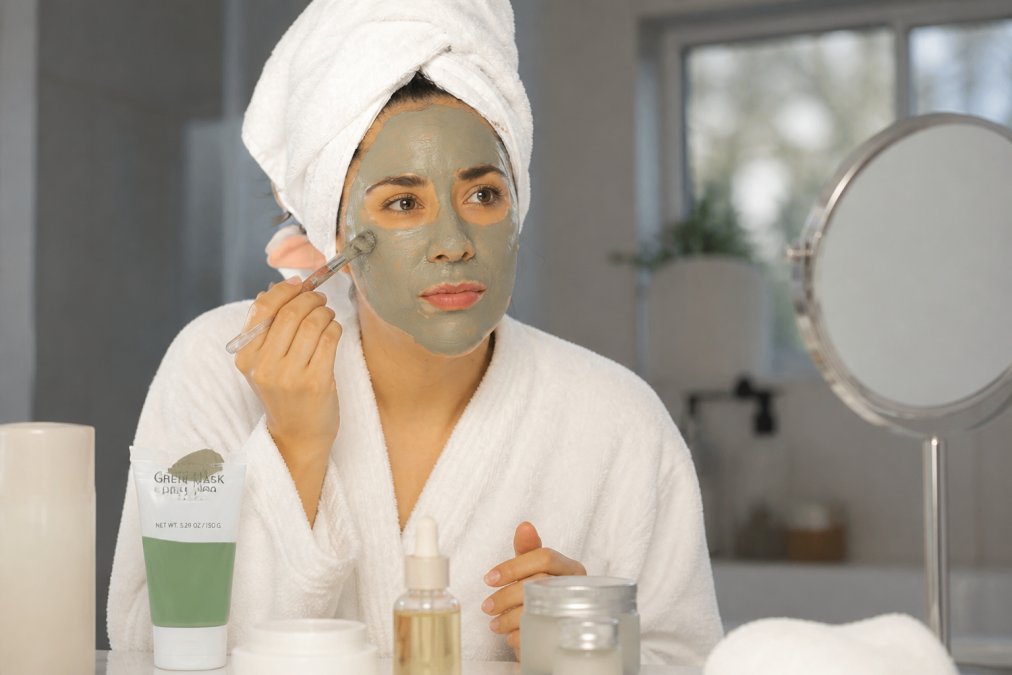
Follow with a hydrating serum or essence containing hyaluronic acid, glycerin, or polyhydroxy acids to replenish moisture and prevent barrier compromise. Cosmetikly's Green Clay Mask offers purifying benefits while maintaining hydration; apply 1-2 times weekly as an intensive treatment to absorb excess oil and impurities without over-drying.

Finish with a lightweight, non-comedogenic moisturizer. A gel-based or fluid moisturizer provides hydration without occlusion. Look for ingredients like niacinamide, which regulates sebum production while supporting barrier function.
Morning routine is simpler: gentle cleanser, lightweight serum, SPF 30+ moisturizer. SPF is non-negotiable if you're using any exfoliating or renewing ingredients.
Protecting Your Skin Barrier While Treating Congestion
The biggest mistake people make with dermatologist approved skincare for congestion is sacrificing barrier integrity for faster results. Aggressive exfoliation, multiple actives stacked together, and neglecting moisturization create a vicious cycle: damaged barrier triggers increased sebum production, which worsens congestion.
Your skin barrier consists of lipids, proteins, and natural moisturizing factors that protect against water loss and pathogen entry. When compromised, congestion worsens because your skin cannot maintain healthy microbiome balance. Signs of barrier damage include persistent redness, increased sensitivity to any product, tightness despite moisturizer use, and paradoxical oiliness. If you notice these symptoms, pause all active treatments for 1-2 weeks and use only gentle cleanser, hydrating serum, and rich moisturizer.
Niacinamide is your ally for barrier repair. This ingredient reduces inflammation, strengthens the lipid barrier, and regulates sebum production simultaneously. Look for concentrations of 4-5% in serums or moisturizers. Ceramides and cholesterol also support barrier function. Avoid mixing incompatible actives, using salicylic acid and retinoid on the same night is excessive. Alternate them: BHA on Monday and Thursday, retinoid on Tuesday and Friday, rest days on Wednesday, Saturday, and Sunday.
When to See a Dermatologist for Persistent Congestion
Most congestion responds to consistent dermatologist approved skincare for congestion within 8-12 weeks. If your skin shows no improvement after three months of proper routine implementation, professional evaluation is warranted. A dermatologist can identify underlying causes that at-home products cannot address and distinguish between conditions that mimic congestion, such as rosacea, seborrheic dermatitis, and fungal infections.
Professional treatments offer options beyond over-the-counter products. Chemical peels with higher concentrations of hydroxy acids penetrate deeper. Microdermabrasion physically removes dead skin cells and sebum buildup. LED light therapy (particularly blue light) reduces bacterial proliferation within pores. Prescription-strength retinoids like tretinoin or adapalene are significantly more potent than over-the-counter retinol. Persistent congestion occasionally indicates an underlying hormonal imbalance, particularly in women, requiring blood work and hormonal evaluation.
Congested skin doesn't have to be permanent. With the right dermatologist approved skincare for congestion, combining targeted actives, barrier support, and lifestyle adjustments, you can achieve clear, refined skin texture. Cosmetikly's professional-grade formulations, including our Green Clay Mask and IFAST Blackhead Removal Deep Cleansing Serum, provide the clinical-strength ingredients dermatologists recommend. Start with a consistent routine, give it 8-12 weeks, and adjust based on your skin's response.
| Step | Frequency | Key Ingredient Focus |
|---|---|---|
| Gentle Cleanse | Twice daily | Mild surfactants, no sulfates |
| Exfoliation (BHA/AHA) | 2-3x weekly | Salicylic acid or mandelic acid |
| Active Treatment | 3-5x weekly | Retinoid or additional BHA |
| Hydrating Serum | Twice daily | Hyaluronic acid, glycerin |
| Moisturize | Twice daily | Niacinamide, ceramides |
| SPF Protection | Daily (morning) | Mineral or hybrid SPF 30+ |
According to dermatology research on chemical exfoliation, consistent use of salicylic acid products over 12 weeks significantly improves pore appearance and reduces comedone count. The key is patience and barrier protection.
Research from the American Academy of Dermatology on acne and congestion management emphasizes that combination therapy (exfoliation plus barrier support) outperforms single-ingredient approaches.
A clinical study on retinoid efficacy and timeline found that visible improvement in skin texture requires minimum 8 weeks of consistent application. Commitment to the timeline matters as much as the products themselves.
Frequently Asked Questions
Q: What causes skin congestion on the face?
A: Skin congestion occurs when sebum production, dead skin cells, and environmental impurities accumulate inside pores, blocking them. Excess oil, infrequent exfoliation, non-breathable makeup, and hormonal changes are common triggers. Dermatologist approved skincare addresses this by using ingredients like salicylic acid and retinoids to promote skin turnover and regulate sebum production, preventing pore blockage before it worsens.
Q: Which ingredients do dermatologists recommend for congested pores?
A: Dermatologists recommend beta hydroxy acids (salicylic acid), alpha hydroxy acids, retinoids, and polyhydroxy acids for congested skin. Salicylic acid penetrates pores to dissolve sebum and dead skin cells. Retinoids accelerate skin turnover and reduce inflammation. Mandelic acid offers a gentler exfoliation option for sensitive skin. These ingredients work by sloughing away dead skin and regulating oil, making them core components of dermatologist approved skincare for congestion.
Q: How long does it take to clear congested skin with a new routine?
A: Most people see improvement in skin texture and reduced pore visibility within 4-6 weeks of consistent use. However, deeper congestion and comedones may take 8-12 weeks to fully resolve. Results depend on congestion severity, ingredient strength, and skin sensitivity. Starting with lower concentrations and gradually increasing helps avoid barrier damage while allowing your skin to adjust. Patience and consistency matter more than aggressive treatment.
Q: Can I clear skin congestion without harsh chemicals?
A: Yes. Natural approaches like regular gentle exfoliation, hydration, dietary adjustments, and non-comedogenic product selection help prevent congestion. However, dermatologist approved skincare with proven active ingredients like salicylic acid typically delivers faster, more visible results for existing congestion. The key is balancing effective treatment with barrier repair, using hydrating serums and moisturizers alongside active ingredients prevents the irritation that makes congestion worse.
This article was written using GrandRanker